NB: If choosing the booking fee, the remaining amount must be paid 30 days prior to the course start date.
What is SALM?
The Level 3 Award in the Safe Administration of Lifesaving Medication (SALM) is a regulated, nationally recognised Qualsafe Awards qualification that equips learners with the knowledge and practical skills to safely administer lifesaving medications in prehospital and emergency care environments.
What does our SALM course cover?
The Qualsafe Level 3 Award in the Safe Administration of Lifesaving Medication (RQF) syllabus includes the following core components:
Core Knowledge and Skills
Legislation, guidelines, policies and protocols relevant to the safe administration of medicines
Understanding lifesaving medications, including effects, side effects and contraindications
Different routes of medication administration in prehospital settings
Patient assessment to determine condition and appropriate medication choice
Monitoring and reviewing a patient’s response before, during and after administration
Safe medication delivery techniques, including preparation, handling and administration
Common lifesaving medications covered typically include: adrenalines, naloxone, salbutamol, aspirin, Glucogel and other emergency drugs depending on governance and clinical scope.
Who is our SALM course for?
This qualification is suitable for learners who are:
Employed by a Care Quality Commission (CQC) registered organisation or equivalent.
Responsible for the safe administration and monitoring of lifesaving medication within their scope of practice.
In roles including: ambulance technician, associate practitioner, medical technician, assistant practitioner and other emergency or urgent care providers.
Pre-requisites:
How is SALM assessed?
Assessment includes:
Successful learners will demonstrate they can safely and effectively administer lifesaving medications and monitor responses according to best practice and clinical governance standards.
How do we certify our SALM course?
Upon successful completion, learners will receive:
This certificate is nationally recognised and reflects achievement at Level 3 on the Regulated Qualifications Framework. Organisations can incorporate the qualification into their clinical governance and scope of practice.
NB: Achievement of the qualification does not automatically confer a licence to practise independently; medication administration must be governed by the learner’s employer policies and clinical governance frameworks.
NB: If choosing the booking fee, the remaining amount must be paid 30 days prior to the course start date.
What is SALM?
The Level 3 Award in the Safe Administration of Lifesaving Medication (SALM) is a regulated, nationally recognised Qualsafe Awards qualification that equips learners with the knowledge and practical skills to safely administer lifesaving medications in prehospital and emergency care environments.
What does our SALM course cover?
The Qualsafe Level 3 Award in the Safe Administration of Lifesaving Medication (RQF) syllabus includes the following core components:
Core Knowledge and Skills
Legislation, guidelines, policies and protocols relevant to the safe administration of medicines
Understanding lifesaving medications, including effects, side effects and contraindications
Different routes of medication administration in prehospital settings
Patient assessment to determine condition and appropriate medication choice
Monitoring and reviewing a patient’s response before, during and after administration
Safe medication delivery techniques, including preparation, handling and administration
Common lifesaving medications covered typically include: adrenalines, naloxone, salbutamol, aspirin, Glucogel and other emergency drugs depending on governance and clinical scope.
Who is our SALM course for?
This qualification is suitable for learners who are:
Employed by a Care Quality Commission (CQC) registered organisation or equivalent.
Responsible for the safe administration and monitoring of lifesaving medication within their scope of practice.
In roles including: ambulance technician, associate practitioner, medical technician, assistant practitioner and other emergency or urgent care providers.
Pre-requisites:
How is SALM assessed?
Assessment includes:
Successful learners will demonstrate they can safely and effectively administer lifesaving medications and monitor responses according to best practice and clinical governance standards.
How do we certify our SALM course?
Upon successful completion, learners will receive:
This certificate is nationally recognised and reflects achievement at Level 3 on the Regulated Qualifications Framework. Organisations can incorporate the qualification into their clinical governance and scope of practice.
NB: Achievement of the qualification does not automatically confer a licence to practise independently; medication administration must be governed by the learner’s employer policies and clinical governance frameworks.


 Image 1 of 9
 Image 2 of 9
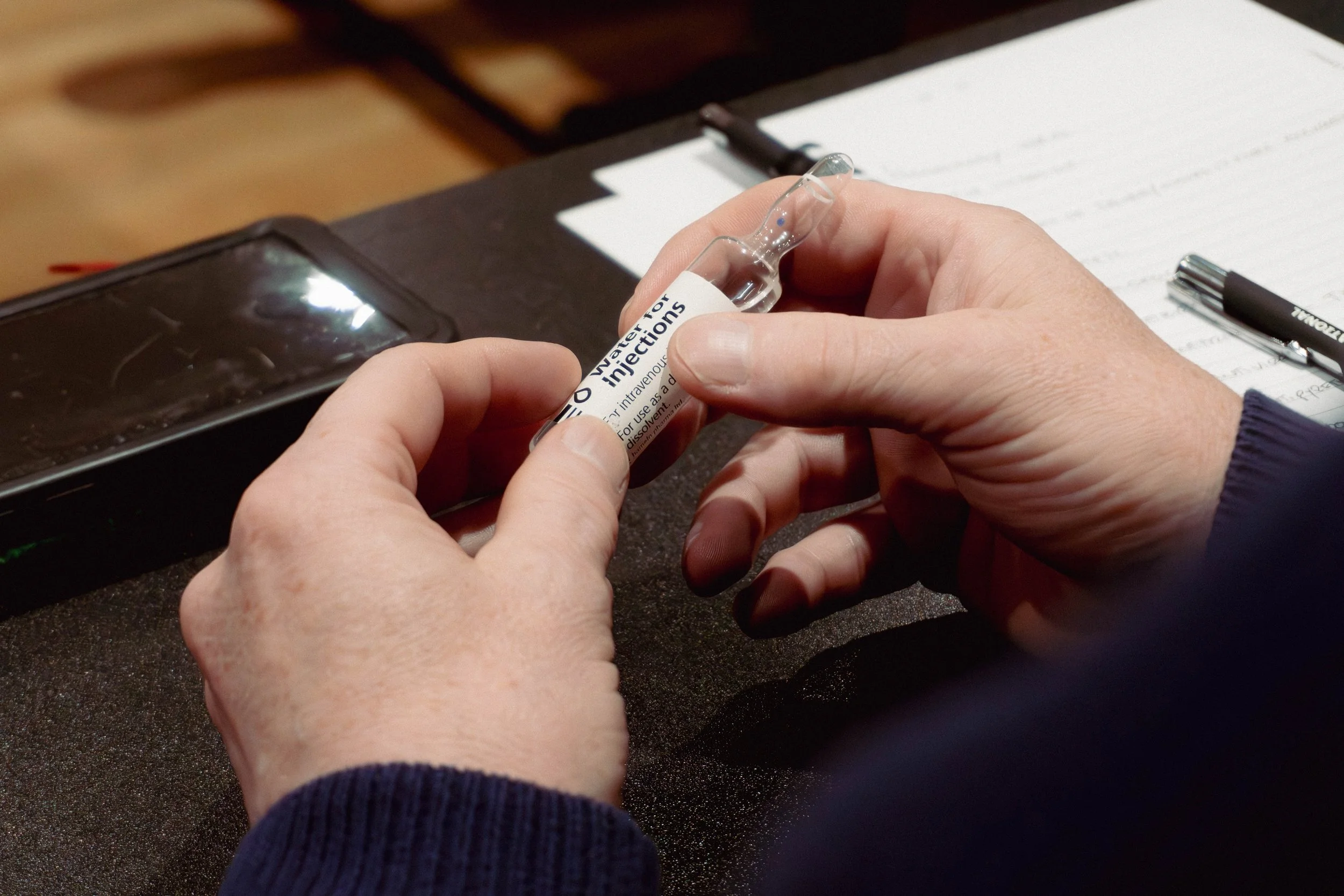 Image 3 of 9
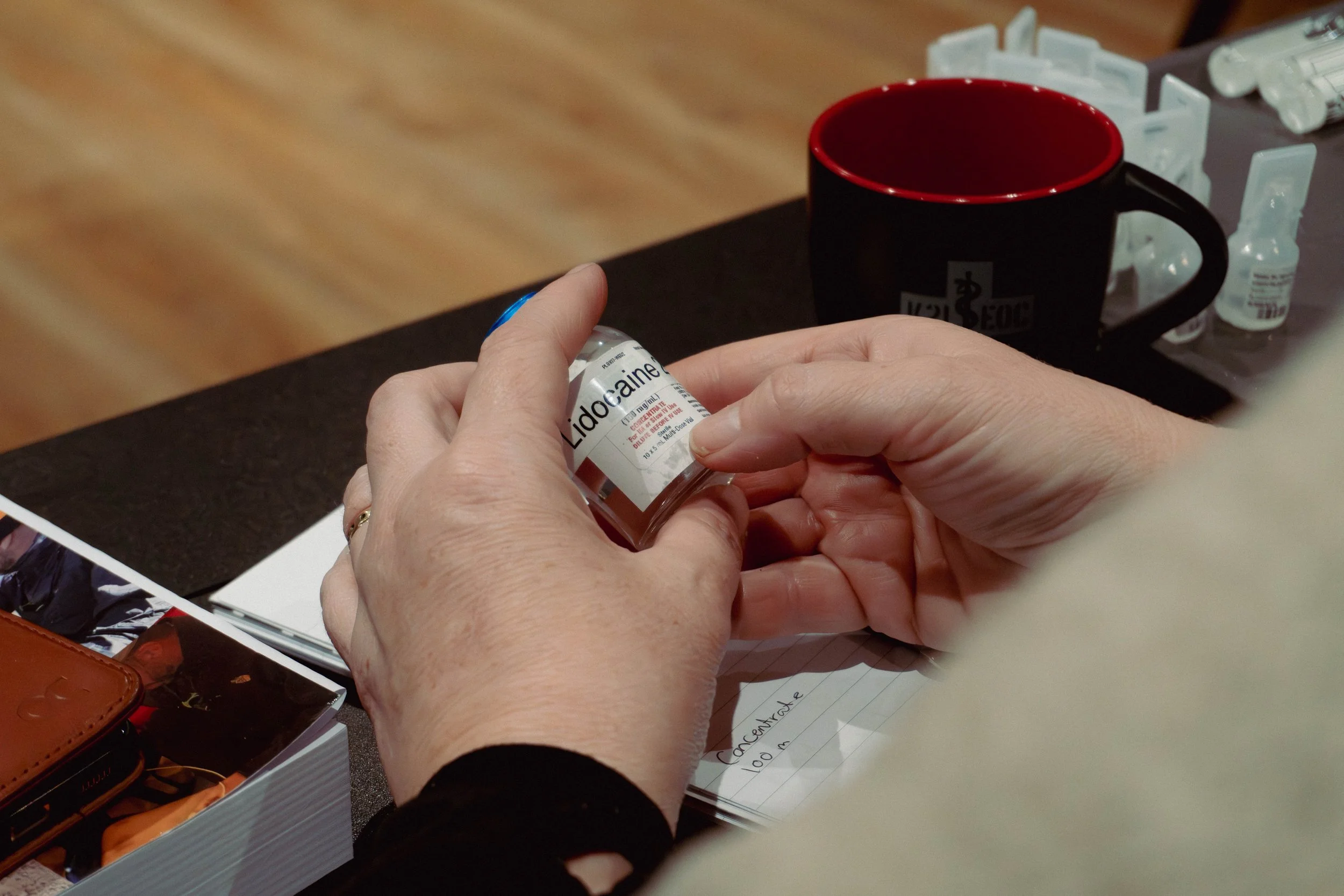 Image 4 of 9
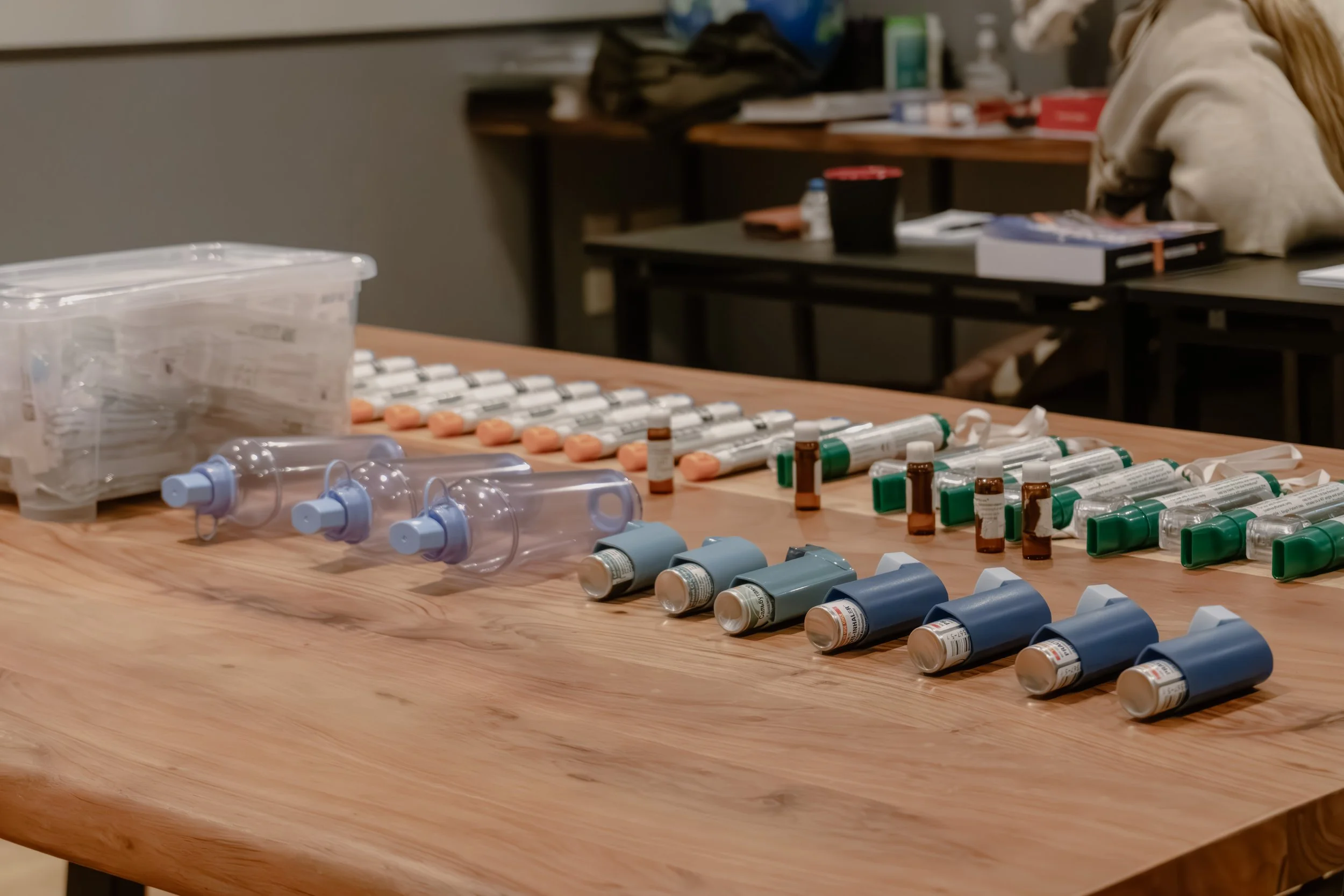 Image 5 of 9
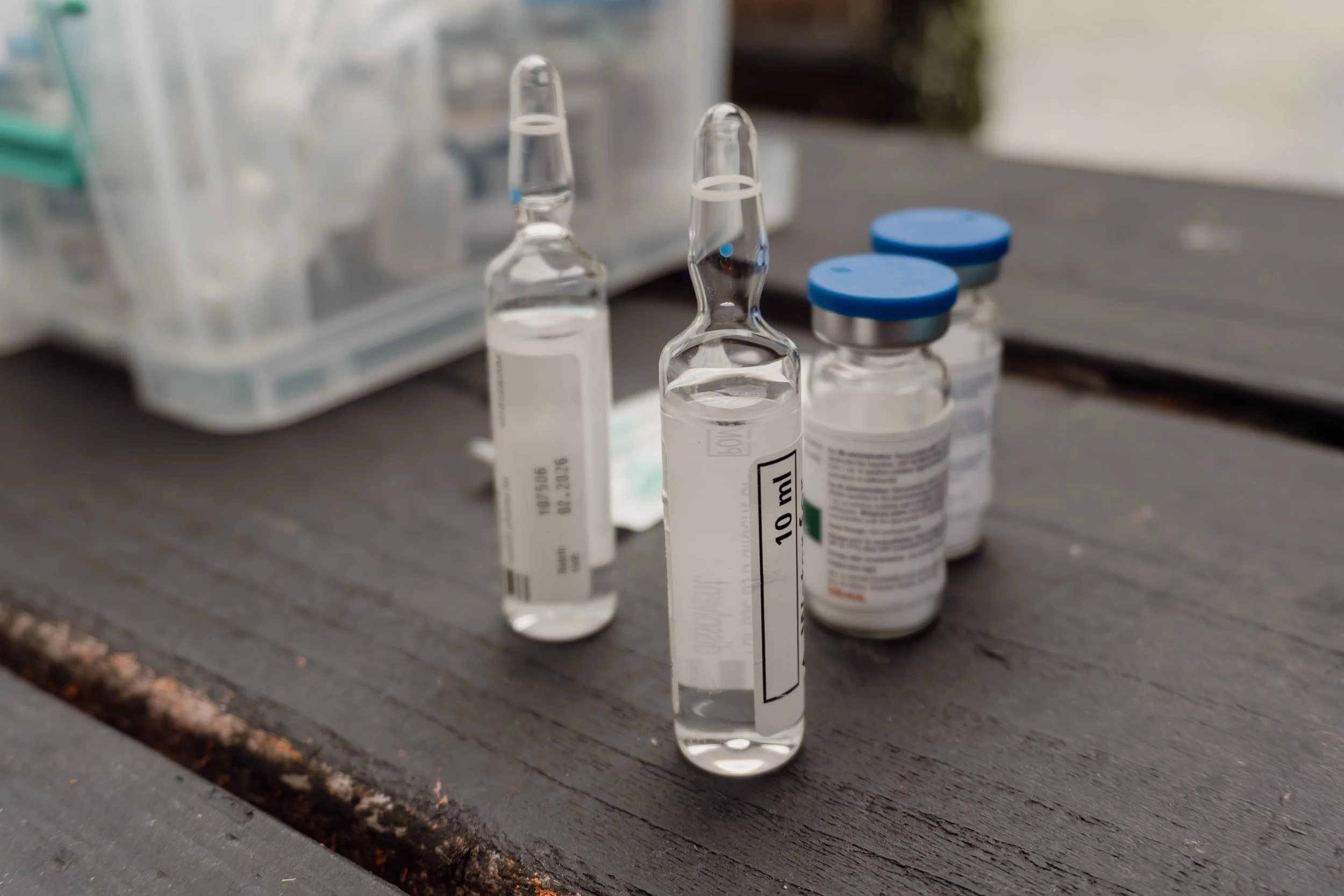 Image 6 of 9
 Image 7 of 9
 Image 8 of 9
 Image 9 of 9